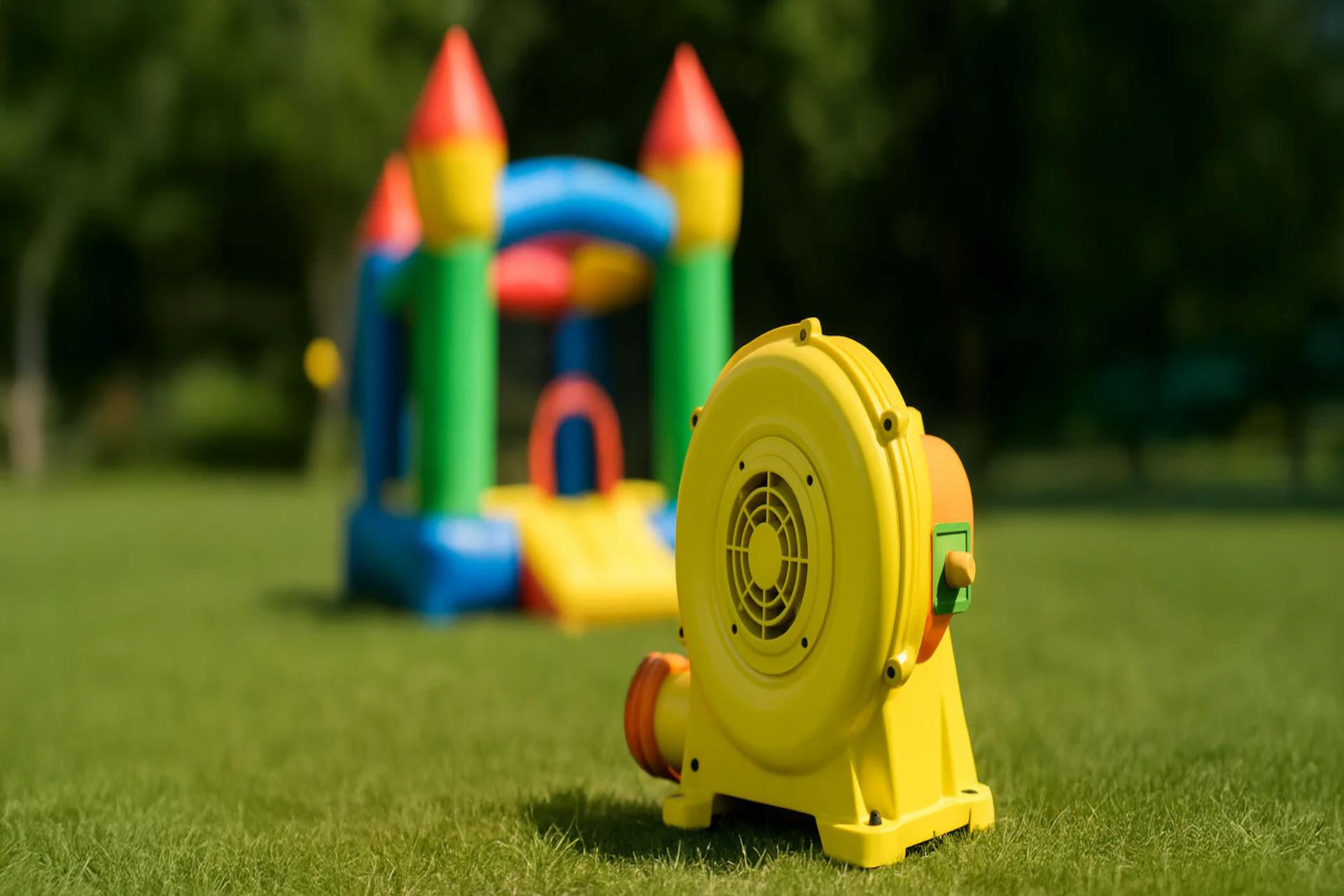
Giant inflatables are designed to look effortless once they are standing tall, whether used at events, sports venues, exhibitions, festivals, or promotional spaces. Behind that smooth, stable shape, however, is a carefully managed airflow system. From large advertising structures to inflatable arches, blower systems play a central role in keeping the structure upright, firm, and safe throughout use.
These systems may appear simple from the outside, but they rely on the right balance of air pressure, airflow, material strength, and continuous operation. Understanding how blower systems work helps explain why giant inflatables can remain stable for hours, even in busy outdoor environments.
What Is a Blower System?
A blower system is the mechanical unit that pushes air into an inflatable structure. Its main purpose is to supply enough air to fill the inflatable and maintain its shape while it is in use.
Most large inflatables are not sealed like a balloon. Instead, they are designed as continuous-air structures. This means a blower keeps feeding air into the inflatable for as long as it needs to remain upright. Small amounts of air naturally escape through seams, vents, fabric pores, or pressure-release areas, and the blower replaces that air continuously.
This steady airflow helps the inflatable keep its form without becoming over-pressurised. It also allows the structure to respond slightly to movement, wind, or contact without losing stability.
How Airflow Keeps Giant Inflatables Standing
The basic principle is simple: the blower pushes air into the inflatable faster than air escapes. As the internal air pressure builds, the fabric expands into its designed shape.
For large event inflatables, the blower does not usually create extremely high pressure. Instead, it creates a controlled flow of air that gives the structure firmness while keeping it flexible. This is important because giant inflatables need to hold their shape without becoming rigid or unsafe.
The airflow must be strong enough to support the size and design of the inflatable. A tall arch, for example, needs consistent air movement through both legs and the upper curve. If the airflow is too weak, the structure may sag, lean, or collapse. If the blower is too powerful for the design, it may put unnecessary strain on seams and materials.
Continuous-Air vs Sealed-Air Inflatables
Not all inflatables work in the same way. The two common types are continuous-air inflatables and sealed-air inflatables.
Continuous-air inflatables need a blower running while the structure is in use. These are often used for larger installations, event features, promotional displays, and activity-based inflatables. Their advantage is that they can remain large, lightweight, and flexible while maintaining shape through constant airflow.
Sealed-air inflatables are inflated once and then closed off with valves. They do not need a blower running all the time. These are often smaller or designed for static display. However, for very large structures, sealed systems may require stronger materials and careful pressure control.
Giant inflatables commonly use continuous-air systems because they are practical for large-scale use. They can be inflated quickly, adjusted easily, and packed down after the event.
Main Components of a Blower System
A blower system may look like a single unit, but several parts work together to keep the inflatable steady and reliable.
Key components include:
- Motor: Powers the blower and drives the fan mechanism.
- Fan or impeller: Moves air from the outside into the inflatable.
- Air outlet: Connects the blower to the inflatable’s inlet tube.
- Power cable: Supplies electricity to the motor.
- Protective housing: Keeps the motor and fan enclosed for safety.
- Air intake grille: Allows air to enter while helping prevent larger debris from getting inside.
- Attachment straps or sleeves: Secure the blower to the inflatable and reduce air loss around the connection.
Each part has a specific role. If one element is damaged, blocked, or incorrectly fitted, the performance of the whole system can be affected.
Why Blower Size Matters
Choosing the right blower size is essential. A blower must match the volume, shape, and purpose of the inflatable. A small promotional inflatable may only need a modest airflow rate, while a large arch or entrance feature may need a more powerful unit.
Blower size is usually linked to air output, motor power, and pressure capacity. Larger inflatables require more air volume because they have more internal space to fill. They may also need stronger airflow to compensate for their height, surface area, and exposure to outdoor conditions.
For inflatable arches, the blower must support an even distribution of air through the entire structure. If one side receives less airflow, the arch may not stand evenly. This is why suitable blower selection is normally based on the inflatable’s design rather than guesswork.
The Role of Air Pressure
Air pressure gives an inflatable its shape. However, more pressure is not always better. The aim is to create enough internal pressure for stability without overstressing the material.
A well-designed blower system maintains a balanced pressure level. The inflatable should feel firm, but still have some movement when touched. This flexibility is part of what makes inflatables safer and easier to manage than rigid structures.
Pressure can be affected by several factors, including fabric condition, seam quality, wind exposure, and the number of air outlets or vents. Regular checks during use help ensure the inflatable remains properly supported.
Safety Considerations During Operation
Blower systems should always be used with care. Since many giant inflatables are installed in public spaces, safety is a key priority.
The blower should be positioned on a stable, dry surface where it will not easily move, tip, or become blocked. Its air intake should remain clear so the motor does not overheat or struggle to draw in air. Cables should be routed safely to reduce trip hazards and protected from water where possible.
The inflatable itself should also be anchored correctly. A blower keeps the structure inflated, but anchoring keeps it secure. Wind conditions, ground type, and event layout all influence how an inflatable should be positioned and fixed in place.
Operators should also monitor the structure during use. If the inflatable begins to soften, lean, or lose shape, the blower connection, power supply, and air intake should be checked immediately.
Common Blower Problems and Their Causes
Even reliable blower systems can face issues if they are not set up or maintained properly. Many problems are simple to identify when users know what to look for.
Common issues include:
- Weak inflation: Often caused by a blocked air intake, loose connection, damaged fabric, or underpowered blower.
- Uneven shape: May result from twisted inlet tubes, poor airflow distribution, or incorrect positioning.
- Overheating: Can happen when the air intake is obstructed or the motor is working harder than it should.
- Sudden deflation: Usually linked to power loss, disconnected air tubes, or major fabric damage.
- Excessive noise or vibration: May suggest debris inside the fan area, worn parts, or unstable placement.
Routine inspection before and during use can prevent minor issues from becoming serious problems.
Maintenance for Reliable Performance
Good maintenance helps extend the life of both the blower and the inflatable. Before each use, the blower should be checked for visible damage, loose parts, blocked vents, or worn cables. The connection between the blower and the inflatable should also be secure.
After use, the blower should be stored in a dry, clean place. Moisture, dust, and impact damage can reduce its performance over time. The inflatable should also be dried and packed correctly to protect the material and seams.
For frequently used inflatables, periodic professional inspection may be worthwhile. This is especially important for commercial event equipment, where reliability and public safety are essential.
Why Blower Systems Are So Important for Events
A giant inflatable is only as dependable as the system that supports it. The blower does more than inflate the structure at the start of the day. It keeps the display presentable, stable, and ready for use throughout the event.
For branded features such as inflatable arches, consistent shape matters because the structure often forms a visual focal point. A sagging or unstable inflatable can look unprofessional and may create safety concerns. A suitable blower system helps maintain a clean appearance while supporting practical performance.
This makes blower selection, setup, and monitoring an important part of event planning, not an afterthought.
Conclusion
Blower systems are the hidden force behind the impressive appearance of giant inflatables. They create the steady airflow needed to fill the structure, maintain pressure, and keep the inflatable upright throughout use. While the concept is straightforward, the details matter. Blower size, airflow, pressure balance, anchoring, maintenance, and safe operation all influence how well an inflatable performs.
Whether used for entrances, promotions, sporting events, or public displays, large inflatables depend on reliable airflow. When the correct blower system is matched to the right structure and used properly, the result is a stable, eye-catching feature that can support a professional event environment with confidence.